Locations:





Don’t skip meals or go ‘cold turkey’ — eat a balanced diet and talk to a healthcare provider instead

Image content: This image is available to view online.
View image online (https://assets.clevelandclinic.org/transform/f3484547-25ae-4257-a871-8716eef0f4c1/meal-prep-1830341421)
Couple in kitchen, with one holding prepped veggies in dishes
Sugar gives us quick energy, including fuel for our brains. While our bodies need natural sugars found in whole foods, we don’t need added sugars.
Advertisement
Cleveland Clinic is a non-profit academic medical center. Advertising on our site helps support our mission. We do not endorse non-Cleveland Clinic products or services. Policy
Still, for some people, sugar can feel almost impossible to resist. That’s because it activates the reward and pleasure centers in our brains the same way addictive substances do. No wonder the average American adult eats 17 teaspoons of added sugar a day!
But according to the American Heart Association, women and children should aim for about 6 teaspoons a day, and men should take in about 9 teaspoons.
Cutting back can improve digestion, lower stress, ease headaches and reduce fatigue. But it’s not always easy.
We spoke with registered dietitian Beth Czerwony, RD, LD, about what to do when cravings feel hard to manage.
Cravings can feel urgent. The good news? Small, simple steps can help steady your blood sugar and take the edge off. Czerwony offers these tips:
Advertisement
Quick fixes can help in the moment. But lasting change comes from daily habits. Focus on small, realistic steps like these:
If your sweet tooth feels like it’s taking over, talk with a healthcare provider. “The first line of defense is having an open and honest conversation,” Czerwony encourages.
Your provider may check your blood sugar or cholesterol levels. And in some cases, medication may help — and some weight loss medications can reduce appetite and sweet cravings. Your primary care provider or a dietitian can help figure out your best options.
Bottom line? Sugar cravings are common, and curbing that craving can be challenging. For some, lifestyle changes are enough. Others may need medical support. Either way, help is available, and small changes can lead to lasting results.
Advertisement

Sign up for our Health Essentials emails for expert guidance on nutrition, fitness, sleep, skin care and more.
Learn more about our editorial process.
Advertisement

A high-sugar diet can trigger a chain reaction that may raise your risk

You can reduce how much added sugar you consume by tracking what you eat, reading labels and limiting portions of the sweet stuff
A high intake of sugar can cause an increase in ‘bad’ cholesterol and a decrease in ‘good’ cholesterol
Often labeled as ‘diabetes-friendly’ or ‘calorie-free,’ these sugar substitutes warrant caution

There is an indirect link between the sweet substance and the condition
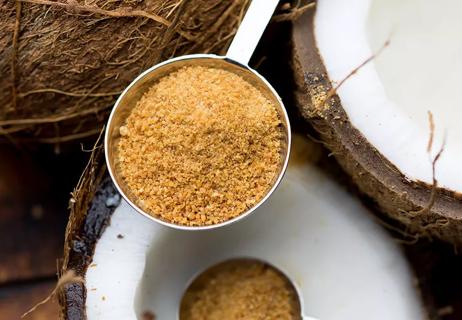
It’s touted as a healthier alternative to cane sugar, but basically, well ... it’s still just sugar

Sugary foods don’t always taste sweet, and they may not say ‘sugar’ on the label
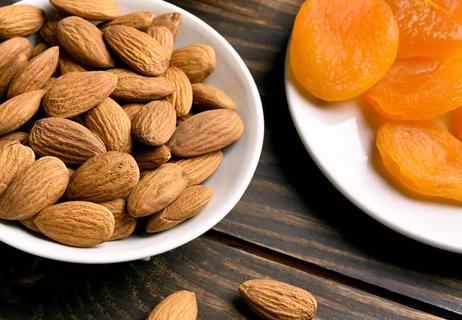
Fuel your body with healthy options that combine fiber-rich carbs, lean protein and healthy fats

Managing your weight through physical activity may lower your chances of getting this common cancer

It typically starts in October and winds down in early spring, with cases at their highest in the middle of winter

Anxiety disorders, health conditions and past trauma can make driving nerve-wracking — help is available
 Search